Unlocking The Mysteries Of CBD: What You Need To Know
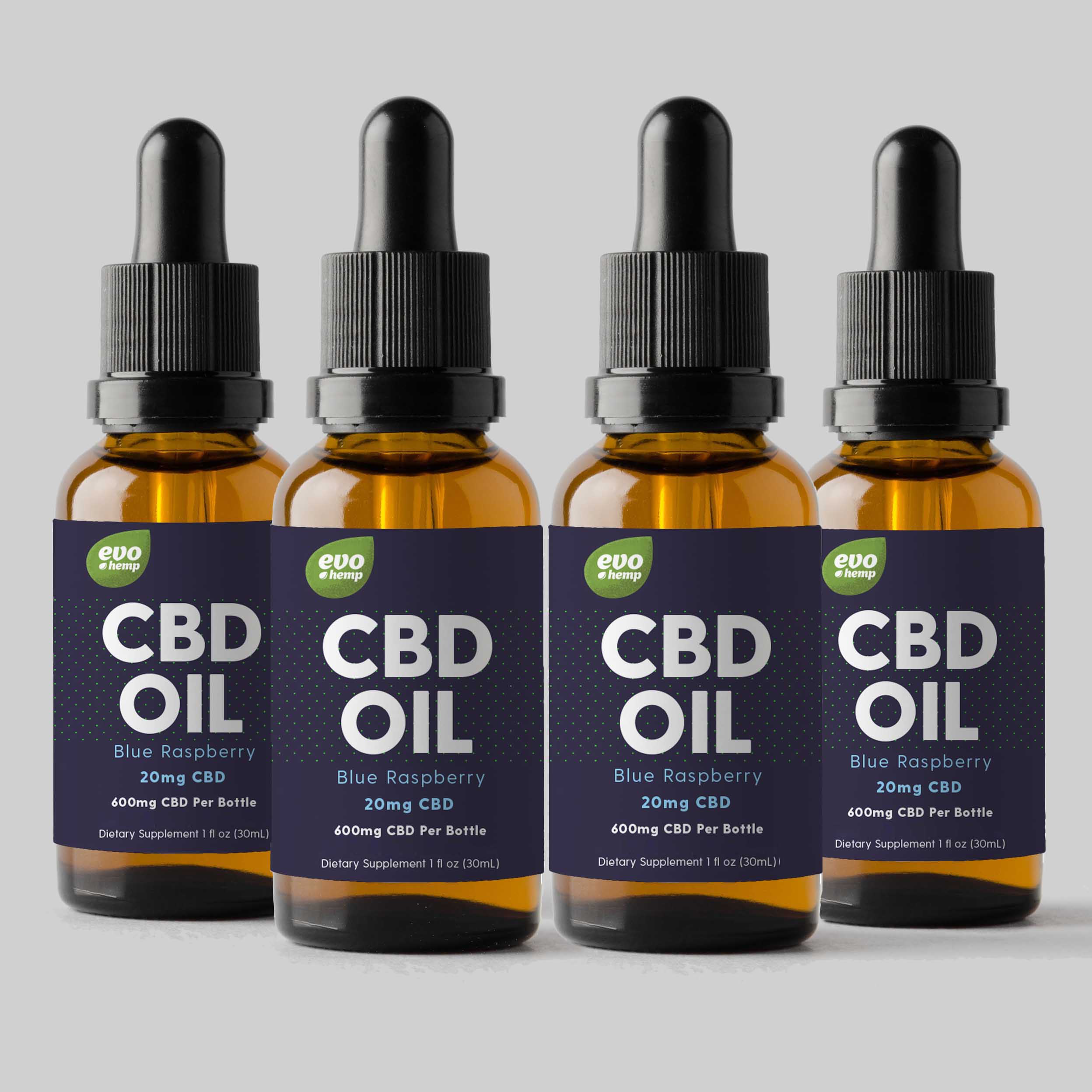
CBD has taken the wellness world by storm, captivating the attention of health enthusiasts and curious minds alike. But what exactly is CBD? As its popularity grows, so do the questions surrounding this fascinating compound. From oils to edibles, people are eager to understand how it fits into their lives. Whether you’re seeking relief from everyday stress or exploring holistic remedies, knowing about CBD can be a game changer. Let’s dive deeper into this intriguing substance and unravel its mysteries! CBD C Est Quoi
What is CBD?
CBD, short for cannabidiol, is a naturally occurring compound found in the cannabis plant. Unlike its more famous counterpart, THC, CBD does not produce a psychoactive effect. This means you can enjoy its potential benefits without feeling “high.”
Extracted primarily from hemp plants, CBD has gained traction in recent years due to its various applications. People are turning to it for relief from anxiety, pain management, and even sleep improvement.
Available in numerous forms, such as oils, capsules, and topicals, CBD offers flexibility for users looking to incorporate it into their routines. Its growing presence in health stores and online platforms signifies an increasing acceptance of natural remedies.
As research about its effects and uses continues, many are excited about what this remarkable compound could mean for holistic wellness.
The Difference Between CBD and THC
CBD and THC are both cannabinoids found in the cannabis plant, but they have distinct effects on the body.
THC, or tetrahydrocannabinol, is primarily responsible for the psychoactive effects associated with marijuana. It binds to receptors in the brain that produce feelings of euphoria or intoxication. This makes THC a popular choice for recreational users seeking a high.
On the other hand, CBD, short for cannabidiol, does not induce any intoxicating effects. Instead, it interacts differently with cannabinoid receptors and has gained attention for its potential therapeutic benefits. Many people use CBD products to manage anxiety, pain relief, and inflammation without feeling “high.”
The legal status of these compounds also differs significantly across regions. While CBD derived from hemp is often legal due to low THC levels (0.3% or less), THC remains restricted in many areas because of its psychoactive properties. Understanding these differences can help you navigate your choices more effectively.
How CBD Works in the Body
CBD interacts with the body through a complex network known as the endocannabinoid system (ECS). This system is crucial in maintaining balance, or homeostasis, within various bodily functions. The ECS consists of receptors, enzymes, and endocannabinoids your body produces.
CBD primarily binds to CB1 and CB2 receptors found throughout the brain and immune system when it enters your system. Unlike THC, which directly activates these receptors to produce psychoactive effects, CBD takes a more indirect approach. It modulates how these receptors respond to other cannabinoids and influences multiple physiological processes.
Research suggests that CBD may help alleviate anxiety by interacting with serotonin receptors. It has potential anti-inflammatory properties that could benefit those suffering from chronic pain or autoimmune disorders. Additionally, some studies indicate that it can aid in improving sleep quality due to its calming effects on both mind and body.
The versatility of CBD’s interactions opens up exciting possibilities for therapeutic applications. As more research unfolds, our understanding of how this compound works continues to deepen. Whether you’re curious about its uses for health benefits or want to know what CBD is all about, exploring this fascinating compound could lead you toward new insights into wellness strategies tailored just for you.