The future of Construction: Embracing Innovation and Sustainability for Tomorrow’s Infrastructure
The construction industry has always been a cornerstone of urban development, but in recent years, it has undergone a profound transformation. Technological advancements and a growing emphasis on sustainability are reshaping how buildings and infrastructure are conceived, designed, and constructed. Today, the industry is exploring new materials, construction techniques, and innovative technologies to meet the growing demand for efficient, resilient, and eco-friendly solutions. From cutting-edge digital tools to environmentally 清拆工程 conscious building practices, the future of construction is more promising than ever before.
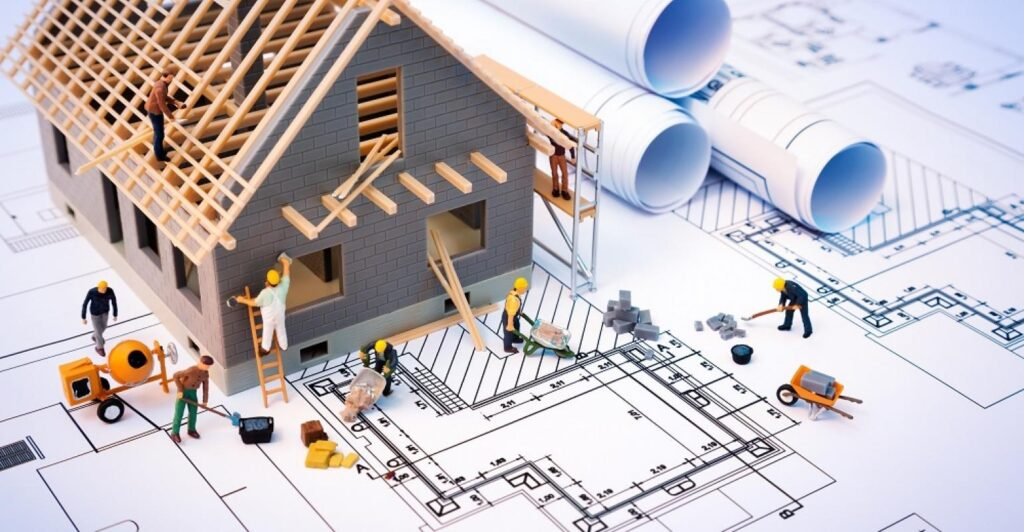
A key element driving this change is the adoption of smart materials and techniques that not only improve the performance of buildings but also reduce their environmental impact. Self-healing concrete, which can automatically repair small cracks, and carbon-capturing materials that reduce greenhouse gas emissions, are just a few examples of how new materials are revolutionizing the industry. Additionally, the use of prefabricated and modular construction has gained traction, enabling components to be manufactured off-site and assembled on-site. This method minimizes waste, shortens construction timelines, and increases precision, contributing to more sustainable practices. As the industry looks to the future, incorporating these advanced materials will be essential in reducing the carbon footprint of buildings and ensuring longevity and resilience in the face of climate change.
Automation and digitalization are also significantly altering the construction landscape. Building Information Modeling (BIM) allows architects and engineers to create detailed 3d models of structures before any physical work begins. This virtual simulation ensures that all aspects of the design are optimized, reducing errors, cost overruns, and project delays. The rise of AI and machine learning has also streamlined project management, helping to predict potential setbacks and optimize resources. In addition, drones and robotic machinery are being used to perform tasks such as surveying, site inspection, and even bricklaying, making the process faster, safer, and more cost-effective. These digital tools are changing the way construction projects are planned and executed, ushering in a new era of efficiency and accuracy.
As concerns about environmental impact grow, sustainable construction practices have become a major priority. Green buildings that minimize energy consumption, reduce waste, and utilize renewable resources are no longer a niche but are becoming the norm. Solar panels, rainwater harvesting systems, and energy-efficient insulation are now standard features in new constructions. Moreover, incorporating green roofs and urban farming into buildings has not only enhanced biodiversity but also helped to improve air quality and reduce the urban heat island effect. Governments are also pushing for more sustainable building practices by offering incentives for environmentally friendly projects and enforcing stricter regulations on energy efficiency. These practices are helping the construction industry to mitigate its environmental impact while contributing to healthier, more livable cities.
In conclusion, the future of construction is being shaped by the convergence of technology, innovation, and sustainability. By integrating smart materials, automation, and environmentally responsible practices, the industry is building not only for today but for tomorrow. As cities grow and the global population increases, adopting these new approaches will be crucial to meet the demands for infrastructure that is efficient, resilient, and sustainable. The construction industry is on the verge of an exciting transformation that promises to change how we build our world, creating a more sustainable, adaptable, and technologically advanced future for generations to come.
You May Also Like

Bos555: Inspiring People to Achieve Greatness Through Leadership

Menang138 and the Importance of Responsible Success