Step-by-Step Comparative Guide to Fume Extraction Equipment for Laser Workshops
Introduction: A Budget-Conscious Scenario Meets Clean-Air Data — What Should You Do?
Have you ever paused before approving a capex line for shop upgrades and wondered if the numbers add up? I see that often. In a mid-size fabrication shop, unsafe air can shave 5–12% off worker productivity and increase sick days — a simple fact backed by industrial health studies. Fume extraction equipment sits at the center of that decision: it’s not just safety gear, it’s a line-item that affects depreciation schedules, OPEX, and insurance premiums.
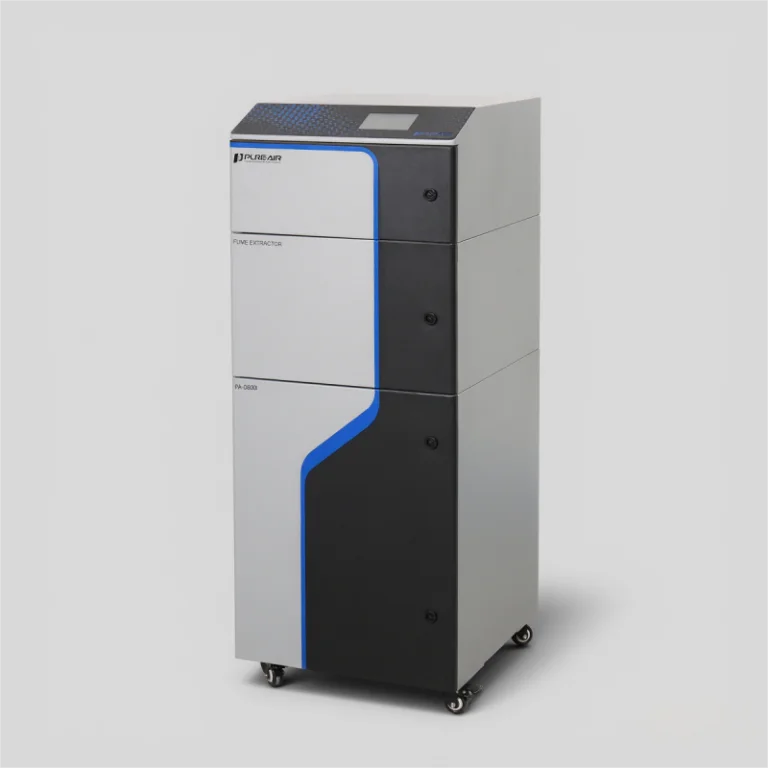
I want to frame this as a business choice, not just a safety checkbox. Consider measured metrics: captured particulate mass, downtime for filter swaps, and energy draw from blower motors. These feed into ROI models (yes — the spreadsheet matters). So which extraction option gives the best risk-adjusted return for laser processes? Let’s compare the realistic trade-offs and find out.
Below I walk through practical flaws, user pain points, and future-ready options so you can weigh cost versus performance — and decide with confidence.
Part 2 — Why Traditional Laser Extraction Often Misses the Mark (Technical Breakdown)
When I assess workshops, the same gaps recur. A common setup uses a generic unit that promises “sufficient capture” yet fails during real cutting cycles. The core issue for many shops is poor matching between source capture and filtration. A laser smoke/fume extractor that is undersized will let particles escape at the hood; oversized systems waste energy and raise operating costs. The result: compromised air quality and bloated utility bills.
Technically, the problems are straightforward. First, inadequate airflow rate at the hood means contaminated plumes aren’t captured. Second, low-grade filters (or improper HEPA filter staging) let fine particulates or VOCs slip through. Third, blower motor selection often ignores duty cycles — leading to premature failure. Look, it’s simpler than you think: match capture velocity, filtration efficiency, and duty-rated motors to the real process, not to vendor brochures.
So what does “properly matched” really involve?
From my experience, you need to check at least three variables: hood geometry and distance, filtration cascade (pre-filter, HEPA, activated carbon), and continuous monitoring capability (particle counters or differential pressure gauges). Miss one and you compound failure modes. We’ve seen shops that saved on upfront cost only to pay double in filter frequency and lost output. That’s a business loss — not an engineering puzzle alone.
Part 3 — Future Outlook: Where Laser Extraction Is Headed and How to Choose
Looking ahead, I expect smarter, modular systems to dominate. Manufacturers are integrating sensors and control logic so extractors adjust in real time to laser power and cut patterns. That lowers energy use and keeps filtration performance tight. For laser smoke/fume extractor setups, this means adaptive airflow profiles, predictive maintenance alerts, and better filter utilization. In practice, you get lower OPEX and fewer surprise stops.
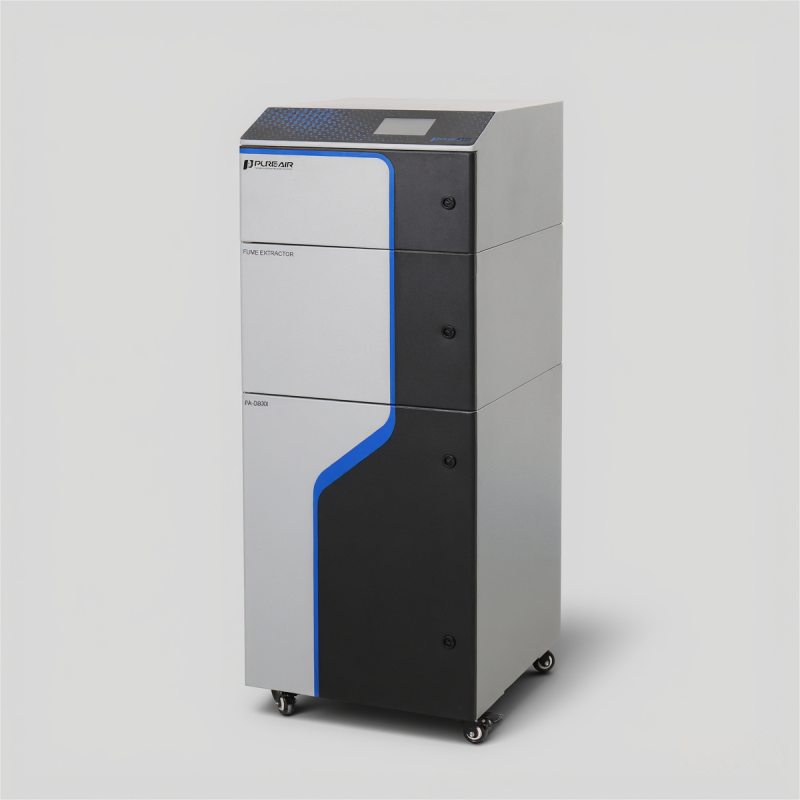
What should you evaluate when considering a next-generation install? I recommend three clear metrics: 1) Effective capture rate at the source (measured in % of particulate captured), 2) Life-cycle cost per operating hour (including filters, energy, and downtime), and 3) System intelligence — the presence of sensors and remote diagnostics. These metrics let you compare apples to apples. Also — funny how that works, right? — systems that score well on these fronts tend to preserve productivity and lower insurance risk.
What’s Next: Quick Practical Steps
Start with a short audit: measure hood distances, typical laser power settings, and shift patterns. Then demand test data from suppliers that map capture rates under real loads. Finally, prioritize systems that give remote alerts and straightforward filter-swap procedures. I prefer solutions that balance CAPEX with predictable OPEX — because a cheap unit that doubles maintenance is a false economy.
In closing, weigh those three evaluation metrics and lean toward systems that provide measurable outcomes. I’ve guided firms through these choices and—real talk—choosing correctly has tangible results on the shop floor. For proven, professional options, consider vendors like PURE-AIR who publish test data and offer modular extraction solutions.
You May Also Like

Cukong77: The Relationship Between Fortune and Preparation

How to Find a Comfortable Electric Bicycle for Adults
