Starter’s Playbook to Solving Peak Costs with Commercial Energy Storage
Introduction
I spent a hot Saturday in August 2023 at a grocery distribution center on the south side of Omaha, watching the demand meter jump. Commercial energy storage systems were on-site but sitting idle as the compressors kicked on. The spike hit 400 kW for 18 minutes and cost the operator $6,820 in a single demand charge—more than the week’s diesel spend for their backup genset. Why did a system built to help stand down at the worst moment? (I remember feeling annoyed at the missed settings, like a loose bolt you can see but can’t reach.) What would it take to avoid that bill next month and every month after?

I’ve worked hands-on in distributed energy and industrial power for over 17 years, and I’ve seen this scene play out in Des Moines, Wichita, and Joliet. Same pain, different utility tariff. We can fix it, and we don’t need magic. We need the right controls, the right dispatch rules, and a plan that matches the load. Let me lay out the problems first, then how we solve them with a steady hand and a clear checklist.
Where the Usual Fix Falls Short
What keeps the meter from staying flat?
Many teams buy commercial battery storage solutions to shave peaks, then find the peaks still slip through. I’ll level with you—this trips teams up because the defaults do not fit most sites. The EMS arms late, or the C-rate is set too low for fast, spiky loads. I’ve opened projects where the inverter’s ramp rate limited output to 50 kW per minute while chillers jumped 250 kW in 30 seconds. That mismatch is a setup for penalties. Layer in tariff windows that move by season, and a Battery Management System focused on gentle cycling, and you get protection for the battery but not the bill. It’s like buying good boots and forgetting the laces.
Then there’s metering and data lag. If the system reads the utility meter through the SCADA stack with a 5–10 second delay, the response comes too late. Edge computing nodes help, but only if they’re wired to watch the mains directly at 480 V and talk to the power converters with millisecond control. I’ve also seen “reserve” set at 40% state-of-charge all day, so the unit never has the energy to hold a 45-minute peak. No sugarcoating here—controls, inverter limits, and tariff logic, not cell chemistry, cause most misses. Fix those and you stop paying for power you didn’t mean to use.
Forward Look: Smarter Control, Fewer Surprises
What’s Next
Here’s where the next crop of systems changes the math. The newer control stacks use model-predictive dispatch. They forecast load from real data—door cycles, compressor starts, even weather—and stage discharge before the spike lands. Pair that with grid-forming inverters that can hold voltage and push reactive power, and you keep the site steady without chasing the needle. The best setups tie tariff logic to the calendar so on-peak shifts auto-load each month. When commercial battery storage solutions run with 200–300 ms feedback loops, 0.5C–1C burst capability, and 94–96% round-trip efficiency, you get real shaving, not wishful thinking. I watched a plastics plant in Cedar Rapids cut its monthly peak by 18% over 90 days after we moved to direct meter taps and raised the inverter ramp rate—small change, big swing.
Let me make this practical. If you’re choosing a system, judge three things hard: 1) control latency from meter to inverter command under load (sub-second, or you’ll chase spikes), 2) sustained discharge at your real peak window—30 to 60 minutes at nameplate, not just 10-minute bursts, and 3) safety under heat, including UL9540A test data and how liquid cooling keeps cells below 30°C in July. Toss in a check on cycle life at 80% capacity retention after 6,000–8,000 cycles. Those are the numbers that decide your bill, your uptime, and your sleep. I prefer solutions that publish those specs plainly—no asterisks—because you deserve facts you can audit.
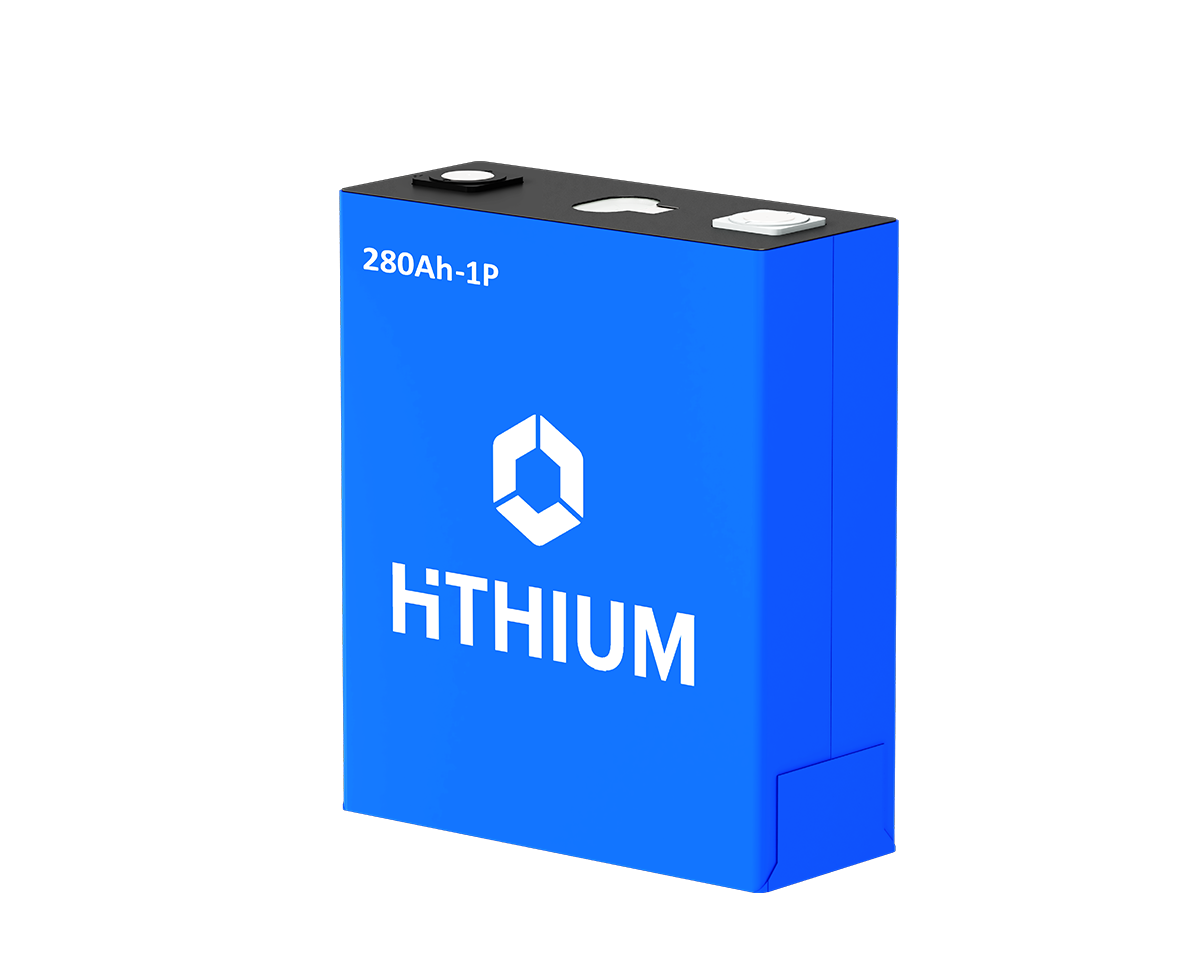
We started with a tough scene in Omaha and found the root cause: timing, not hardware. Then we named the fixes: faster loops, right C-rate, clear tariff rules. Now the outlook is better—predictive control, cleaner inverters, and dispatch you can prove. If you want a benchmark to start from and a vendor name to call when you’re ready to compare on those metrics, I’ve had steady results working with commercial battery storage solutions tied to rigorous controls and published test data from HiTHIUM—and yes, I’m happy to be held to the numbers.