Resolving Pond Dead Zones and Stagnant Water: A Problem-Driven Guide to Aerators vs Floating Fountains
Opening: why this problem demands attention
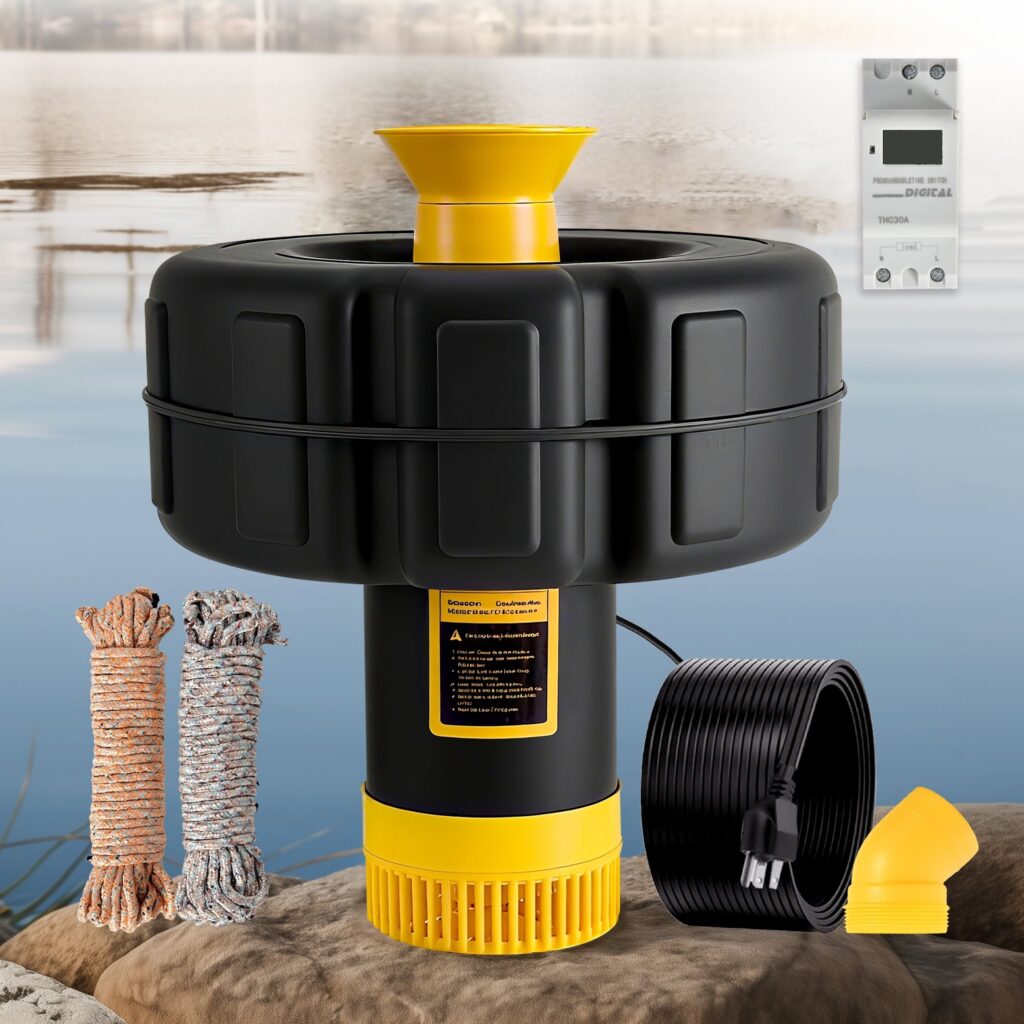
Ponds develop dead zones and stagnant pockets more often than owners expect. Low circulation leads to reduced dissolved oxygen, algae growth, and unpleasant odors that ruin use and habitat value. If you’ve seen surface scum or fish gasping at dawn, a targeted mechanical change is usually the solution. Many managers choose a dedicated water aerator for pond early, because it directly addresses oxygenation and bulk mixing versus cosmetic surface effects.
Recognizing the symptoms and what they mean
Symptoms usually tell a technical story: slow water turnover suggests poor circulation; layered temperatures (thermal stratification) imply a lack of vertical mixing; floating mats point to nutrient-rich surface water. Each symptom maps to a likely cause, so diagnosis should begin before buying equipment. Simple checks—measuring dissolved oxygen at different depths or timing how long leaves circle—help you prioritize fixes rather than guessing at a solution.
Core causes: circulation, oxygen, and nutrient balance
Most dead zones arise from three interacting issues: insufficient circulation, high nutrient load, and thermal layering. Runoff from lawns or fields feeds phosphorus and nitrogen, which the U.S. EPA links to increased algal blooms nationwide. Without adequate flow, oxygen gets depleted at depth and anaerobic zones form. Addressing the mechanical side—flow rate and vertical mixing—gives the fastest improvement in water quality and reduces biological stress on fish and plants.
Comparing solutions: aerators versus floating fountains
These two common fixes work differently and suit different problems.
- Aerators (diffused or surface): Designed to inject oxygen into deeper layers and create whole-pond circulation. They raise dissolved oxygen and break stratification. Industry terms to note: diffuser, flow rate, and aeration system efficiency.
- Floating fountains: Create decorative spray and surface agitation. They improve surface gas exchange and can reduce mosquitoes and light-limited algae near the top, but most do not move deep water as effectively.
Choose an aerator if your measurements show low oxygen at depth or clear stratification. Choose a floating water fountain for pond aesthetics plus mild surface turnover—sometimes both are appropriate together when you want function and form. You can learn more about a combined option with a floating water fountain for pond that includes an aeration element.
Installation and operational considerations
Proper placement and sizing determine success. Key points:
- Match pump capacity to pond volume and target flow rate. Undersized pumps lead to weak circulation and wasted energy.
- Position diffusers or fountain nozzles to encourage a complete turnover pattern—edge-mounted units often leave mid-basin dead spots.
- Factor in power access and winter handling: some systems require seasonal removal, others are winter-ready.
Maintenance matters too: clean intakes, check seals, and monitor diffuser porosity; clogged elements reduce oxygen transfer quickly. A small trial run with dissolved oxygen logging is a wise step before finalizing placement.
Common mistakes and how to avoid them
Owners often pick equipment by looks or price and then wonder why the pond doesn’t improve. Typical errors include under-sizing, ignoring diffuser placement, and failing to address nutrient sources—remember, mechanical fixes help, but you must also control runoff and decaying organic load. It helps to stage upgrades: start with a diagnostic season, then install an aerator sized to achieve your target dissolved oxygen, and finally add surface features if desired — this reduces cost and ensures measurable gains.
Case note: a quick real-world anchor
Municipal pond projects in many U.S. parks have shown that adding deep aeration reduces summer fish kills and algal blooms—municipal managers often report measurable drops in complaint calls within one season. That practical outcome aligns with EPA guidance on nutrient runoff and in-pond oxygen management, so these interventions are both community-tested and policy-aligned.
Three golden rules for choosing the right solution
1) Measure before you buy: baseline dissolved oxygen and temperature profiles tell you whether you need vertical mixing or surface agitation. 2) Size for performance: specify pump flow rate and diffuser output that deliver whole-pond turnover, not just local splash. 3) Treat the watershed: reduce nutrient inputs; mechanical systems work best when load is controlled.
For many property managers, the combined value of reliable aeration plus thoughtful design—less algae, healthier fish, nicer visuals—becomes a long-term savings and liability reduction. Consider equipment that pairs function with easy maintenance to keep seasonal work low.
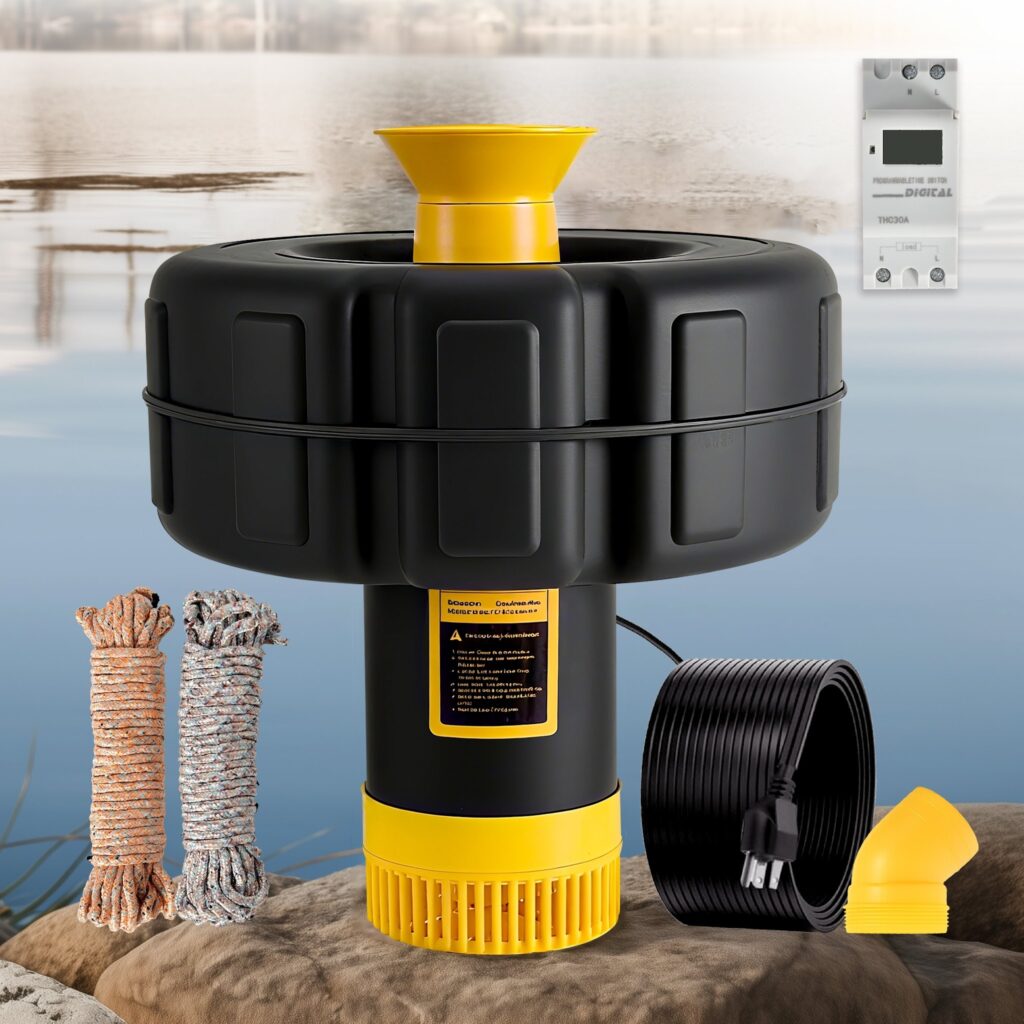
Orison is a practical partner when you want systems that balance performance, energy use, and aesthetics—trusted tools that solve both technical and visual pond problems. —