Choosing the best Cat Food for a Healthy and Happy Feline
As a pet owner, providing your cat with the best nutrition is a vital part of ensuring their health and happiness. With so many options available, choosing the right cat food can be overwhelming. Cats have specific dietary requirements as obligate carnivores, meaning their bodies are designed to thrive on animal-based proteins. Selecting a high-quality cat food that meets these needs can make a significant difference in your cat’s overall well-being, energy levels, and longevity. In this article, we will explore key considerations for choosing the best cat food that supports your feline’s health and happiness.
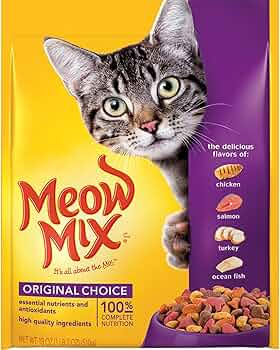
First and foremost, understanding the nutritional needs of your cat is essential. Cats require a diet rich in protein, particularly from animal sources such as chicken, turkey, or fish. Protein is vital for muscle maintenance, immune function, and overall 貓乾糧 growth. Fat is also an important component of a cat’s diet, as it provides energy, supports skin and coat health, and aids in the absorption of fat-soluble vitamins. Additionally, essential nutrients like taurine, an amino acid, must be included in your cat’s food to support heart health and vision. The best cat food should offer a balance of protein, fat, and vitamins to promote long-term health.
When choosing cat food, it is important to consider your cat’s life stage. Kittens, for example, have different nutritional needs compared to adult cats. Kittens require more protein and fat to support their rapid growth and development. Foods formulated specifically for kittens ensure they get the necessary nutrients to build strong bones, muscles, and immune systems. On the other hand, adult cats need a balanced diet to maintain their health and energy levels. For senior cats, specialized foods are available to address age-related issues such as joint health, digestive support, or kidney function. Always select food that is age-appropriate to meet your cat’s specific needs at every stage of life.
Ingredient quality is another crucial factor when selecting cat food. Opt for food that lists high-quality, natural ingredients rather than fillers such as corn, wheat, or soy. These fillers provide little nutritional value and can sometimes lead to allergies or digestive issues. Instead, choose foods that include real animal proteins as the primary ingredient, along with healthy sources of carbohydrates like sweet potatoes, peas, or pumpkin. Additionally, avoid artificial colors, flavors, and preservatives, as they can be harmful to your cat’s health. Foods that contain added probiotics or prebiotics can also promote digestive health and improve your cat’s gut flora.
The type of cat food you choose also plays a role in your cat’s health. The two most common options are dry kibble and wet food, each offering distinct advantages. Dry kibble is convenient, affordable, and helps with dental health by reducing plaque buildup. However, it lacks moisture, which can be a concern for cats who don’t drink enough water. Wet food, on the other hand, provides additional moisture, which is particularly beneficial for cats prone to urinary tract issues or dehydration. Wet food is also more palatable for many cats, especially those with picky eating habits. Many pet owners opt for a combination of both wet and dry food to provide a balanced diet that meets all of their cat’s needs.
In conclusion, choosing the right cat food requires careful consideration of your cat’s nutritional needs, life stage, and ingredient quality. A balanced diet that includes high-quality protein, healthy fats, and essential vitamins will help ensure your cat stays healthy, energetic, and content. Remember to choose food that is specifically formulated for your cat’s age and health concerns. Consulting with your veterinarian can also provide valuable insights into the best food for your feline friend, especially if they have specific dietary requirements. With the right food, you can help your cat lead a long, healthy, and fulfilling life.
You May Also Like

Cukong77: The Relationship Between Fortune and Preparation

How to Find a Comfortable Electric Bicycle for Adults