Comprehensive Guide The Evolution and Impact of Vaping
Vaping has emerged as a popular alternative to traditional smoking, offering users a modern way to consume nicotine and other substances. The rise of e-cigarettes and vape devices has created a global industry worth billions of dollars, with millions of users worldwide. As more people turn to vaping, debates surrounding its health effects, regulation, and cultural significance continue to shape public opinion.
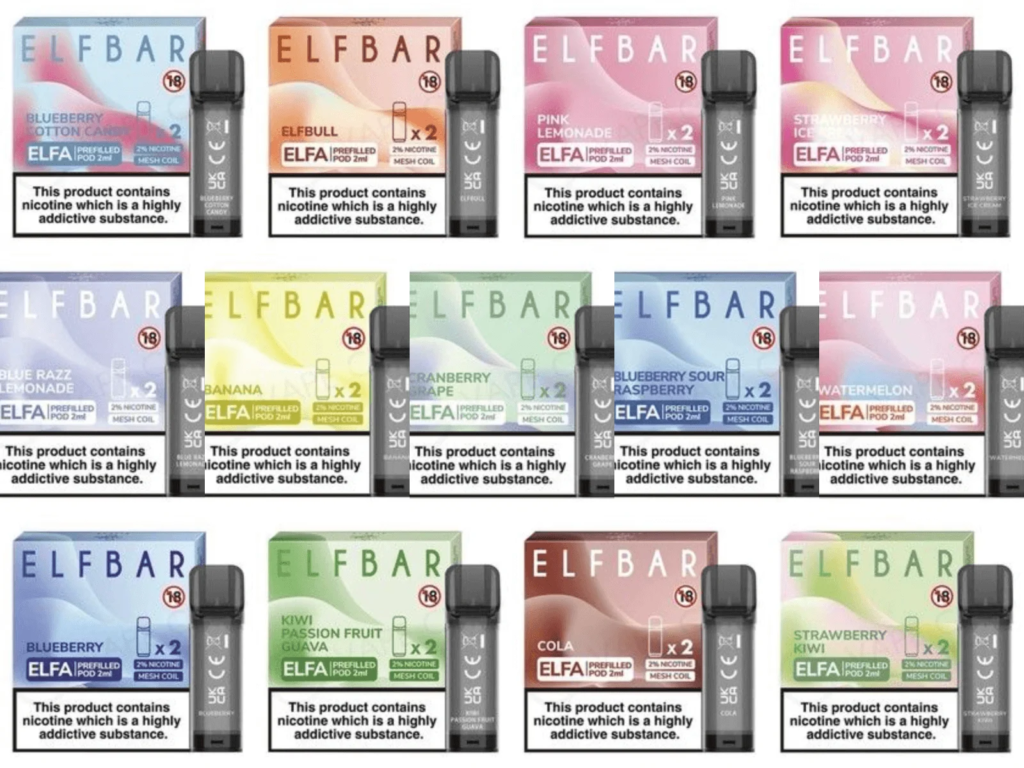
The history of vaping can be traced back to the early 2000s when Chinese pharmacist Hon Lik developed the modern e-cigarette. His invention aimed to provide a safer alternative to smoking by eliminating combustion, which is responsible for most of the harmful chemicals in traditional cigarettes. Since then, vaping technology has evolved dramatically, with companies introducing advanced devices, diverse e-liquids, and Elfa Pods customizable options that cater to individual preferences.
A vape device typically consists of a battery, a heating element, and a tank or pod containing e-liquid. The battery powers the heating element, which vaporizes the e-liquid, allowing users to inhale the vapor. E-liquids come in a variety of flavors, from tobacco and menthol to fruity and dessert-inspired blends. Many users enjoy the ability to switch between flavors, making vaping a more personalized experience compared to smoking.
One of the main reasons people switch to vaping is the perception that it is a less harmful alternative to smoking. Traditional cigarettes contain thousands of chemicals, including carcinogens and toxic compounds. In contrast, e-liquids generally contain fewer ingredients—typically propylene glycol, vegetable glycerin, nicotine, and flavorings. While vaping is not risk-free, studies suggest it produces fewer harmful substances than combustible cigarettes.
Nicotine strength is another key aspect of vaping. Users can choose e-liquids with varying nicotine concentrations, allowing them to gradually reduce their intake if they aim to quit nicotine altogether. Some vapers even opt for nicotine-free e-liquids, enjoying the act of vaping without the addictive substance. This flexibility has contributed to the growing popularity of vaping as a smoking cessation tool.
The vaping industry has witnessed rapid innovation, leading to the development of different types of devices. Pod systems, such as JUUL, have gained widespread popularity due to their sleek design, portability, and ease of use. More advanced users often prefer box mods, which offer adjustable settings, longer battery life, and increased vapor production. Disposable vapes have also become a trend, providing convenience without the need for maintenance or refilling.
Despite its popularity, vaping remains a controversial topic, with regulatory agencies and health organizations examining its long-term effects. Some studies suggest that while vaping is less harmful than smoking, it still carries potential health risks, particularly for non-smokers and young people. The presence of nicotine in most e-liquids raises concerns about addiction, and some flavored products have been criticized for appealing to underage users.
Governments around the world have responded with various regulations to control the sale and use of vaping products. In some countries, vaping is heavily restricted or outright banned, while others have embraced harm reduction policies that promote vaping as an alternative to smoking. In the united states, the FDA has implemented measures to regulate e-cigarettes, including age restrictions and product approvals to ensure safety standards are met.
Marketing and public perception play significant roles in the vaping industry’s growth. Many vaping companies use social media and influencer marketing to promote their products, which has led to both increased adoption and scrutiny. Critics argue that such marketing strategies target young audiences, contributing to a rise in underage vaping. In response, some platforms have restricted vape-related advertising to curb its reach among minors.
The cultural impact of vaping is also evident in the formation of vaping communities and social trends. Vape enthusiasts often share their experiences, review products, and participate in cloud-chasing competitions, where users produce large vapor clouds using high-powered devices. Vape shops and lounges provide spaces for vapers to gather, exchange tips, and explore new products, further solidifying vaping as a subculture.
The environmental impact of vaping is another consideration. While e-cigarettes eliminate cigarette butt waste, disposable vapes and plastic pods contribute to electronic and plastic waste. Some manufacturers and advocacy groups have called for recycling programs and sustainable practices to minimize the ecological footprint of vaping products. As the industry continues to grow, addressing environmental concerns will be crucial in shaping its future.
Scientific research on vaping is ongoing, with studies exploring its effects on lung health, cardiovascular function, and overall well-being. While short-term studies indicate that vaping is less harmful than smoking, long-term data is still needed to assess potential risks. Public health organizations continue to monitor emerging evidence, which may influence future regulations and recommendations for vape users.
The legal landscape for vaping varies across regions. Some countries, such as the United kingdom, actively promote vaping as a harm reduction tool, integrating it into smoking cessation programs. In contrast, others, like Australia, impose strict regulations, requiring a prescription to obtain nicotine-containing e-liquids. These differing approaches highlight the ongoing debate over vaping’s role in public health.
For smokers looking to transition to vaping, choosing the right device and e-liquid is essential. Beginners may find pod systems and starter kits more user-friendly, while experienced vapers might prefer advanced mods with customizable settings. Consulting with vape shop experts and conducting personal research can help users find a setup that best suits their needs.
Maintaining vaping devices properly ensures a better experience and longevity. Regular cleaning of tanks, replacing coils, and using high-quality e-liquids can enhance performance and prevent issues such as leaks or burnt hits. Battery safety is also crucial, as improper handling can lead to malfunctions. Storing batteries in protective cases and avoiding overcharging can reduce risks associated with vaping devices.
The future of vaping remains uncertain, influenced by regulatory changes, scientific discoveries, and shifting consumer preferences. As the industry evolves, manufacturers may develop safer, more efficient products, and researchers may provide clearer insights into vaping’s long-term health effects. Public awareness campaigns and responsible marketing practices will also play a role in shaping the perception and acceptance of vaping in society.
In conclusion, vaping has revolutionized the way people consume nicotine, offering an alternative to traditional smoking. While it has potential benefits, such as harm reduction and smoking cessation support, concerns over health risks, youth adoption, and environmental impact continue to spark debates. As scientific research advances and regulations adapt, the vaping landscape will likely undergo further transformations, influencing its role in public health and everyday life.